

FactSheets
Coastal ecosystems provide natural shoreline protection, enhance food security, and support coastal economies, all while absorbing tons of carbon. However, these ecosystems are increasingly threatened. Climate change, coastal development, and pollution have severely degraded and destroyed coastal ecosystems, reducing their ability to provide ecosystem services and counteract climate change.
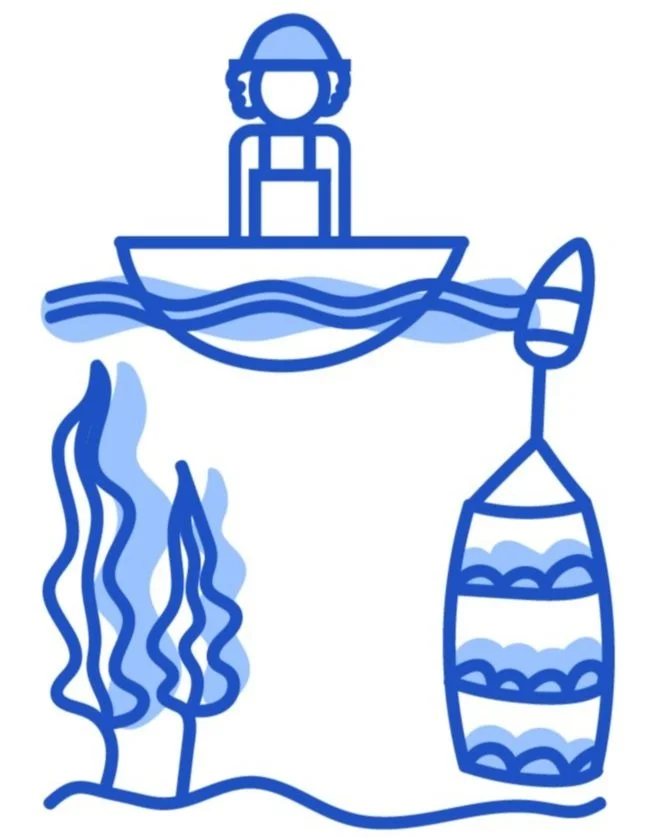
Regenerative ocean farming is a climate-friendly model of aquaculture where seaweeds and/or shellfish are grown in a way that requires no freshwater, feed, or fertilizer. This farming model can benefit coastal ecosystems and communities by increasing food security, creating jobs, improving water quality, protecting coastlines, providing a range of additional ecosystem services, and supporting ocean justice.

Climate change is causing the rapid acceleration of sea level rise. The current scale of human emissions will have long-lasting effects on global sea level for centuries. In the United States, relative sea levels are rising much faster than the global average. From 1920 to 2020, sea levels along the U.S. coast have risen about 11 inches, compared to the global mean sea level rise of 6.7 inches. Under the highest emissions scenario, the U.S. could see 3.5 to 7 feet of sea level rise by 2100, relative to 2020 levels.